Baroxon® | Leading Boom Barrier Manufacturer

RFID Parking Barrier Philippines: Vehicle Access Guide
Release time:
2026-10-30
Introduction — In condominiums, office buildings, shopping malls, warehouses, and commercial parking areas across the Philippines, controlling which vehicles may enter and exit is important. An RFID parking barrier combines a motorized boom gate with a radio-frequency identification (RFID) reader to recognize an authorized card or tag and send an opening command to the barrier controller. When configured correctly, it supports faster, more organized, and easier-to-audit vehicle access management.
Quick answer: An RFID parking barrier reads an authorized card or tag and signals the boom gate to open, giving a property a faster and more consistent way to manage vehicle access. It works best when the reader, tag, controller, safety devices, and credential procedures are matched to the site.
What is an RFID parking barrier?
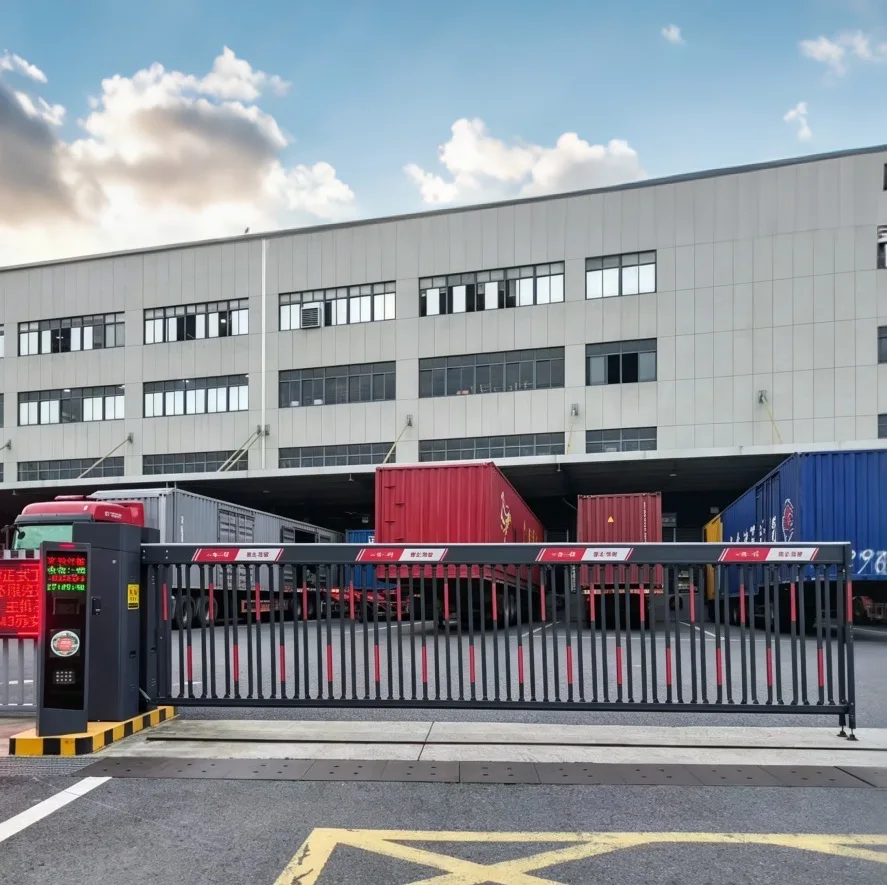
An RFID parking barrier is an automatic boom barrier system that uses an RFID card, tag, or compatible UHF credential as part of the process of identifying the vehicle or user. When the reader reads a valid credential and the access-control software or controller approves it, the boom arm can open. The exact setup depends on the reader, tag type, controller, software, and site requirements.
RFID and UHF are not the same. RFID is the general radio-frequency identification technology; UHF is a frequency category commonly used for long-range tag reading. The right reader and tag should be selected based on mounting position, reading distance, vehicle speed, and the environment of the entrance lane.
How does an RFID boom barrier system work?
- Credential registration. The administrator registers the RFID card or vehicle tag in the access-control system and sets which entry point and which hours it may be used.
- Vehicle approach. The vehicle stops or approaches slowly within the designated reading zone. In a UHF setup, the tag may be mounted on a suitable part of the vehicle according to the reader manufacturer's instructions.
- Reading and validation. The RFID reader reads the credential and sends the identifier to the controller or access-management software for validation.
- Access decision. If the credential is valid and permitted by the access rules, the controller sends the command to raise the boom arm. If it is not valid, the barrier should stay closed and the operator should follow the site procedure.
- Vehicle detection and safe closing. After the vehicle passes, the appropriate safety devices—such as a loop detector, photocell, or radar if supported—should be used to reduce the risk of the arm lowering while a vehicle or person is in the danger zone.
- Access event logging. With compatible software and a logging function, successful and refused access attempts can be recorded for monitoring and audit. Confirm the logging features available in the selected system.
Key benefits of RFID parking barriers
1. Contactless access
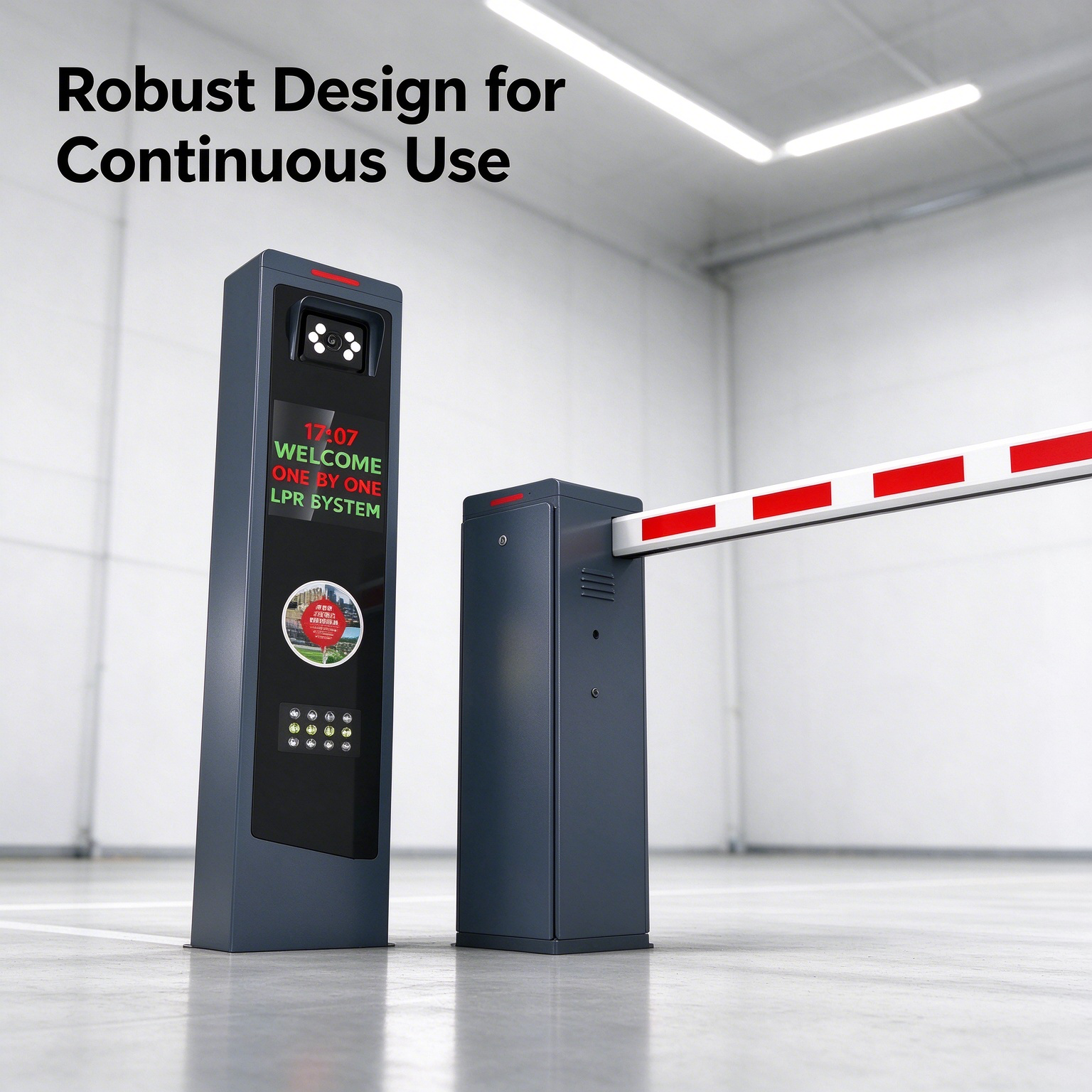
The driver does not need to roll down the window to hand over a ticket or exchange a card with an attendant if the system uses a suitable long-range UHF tag. The actual reading distance depends on the reader, tag, mounting, interference, and site layout.
2. More consistent access rules
Different permissions can be assigned to residents, employees, contractors, delivery vehicles, and visitors. The access schedule and credential policy should be set by the administrator and reviewed regularly, especially when there are changes to the tenant, staff, or vehicle list.
3. Easier management of authorized vehicles
Instead of relying only on manual visual checks, the operator can use assigned RFID credentials. When a card is lost or a vehicle authorization changes, the credential can be disabled or updated if the system supports it and the change complies with the access policy.
4. Possible support for traffic flow
Fast and orderly credential reading can reduce some manual steps at the entrance. Even so, queue length still depends on the barrier cycle time, vehicle spacing, lane design, peak-hour demand, and the process for invalid credentials.
5. Support for access records
If the RFID system is integrated with parking management software, access logs can help in reviewing entry and exit events and investigating incidents. The property's data retention, user permissions, and privacy procedures should be clear.
Where is an RFID parking barrier useful in the Philippines?
- Condominiums and subdivisions: For registered resident vehicles and regular authorized users.
- Office buildings and business parks: For employee parking, service vehicles, and approved contractors.
- Shopping malls and commercial parking: For tenant parking, staff access, and selected parking zones.
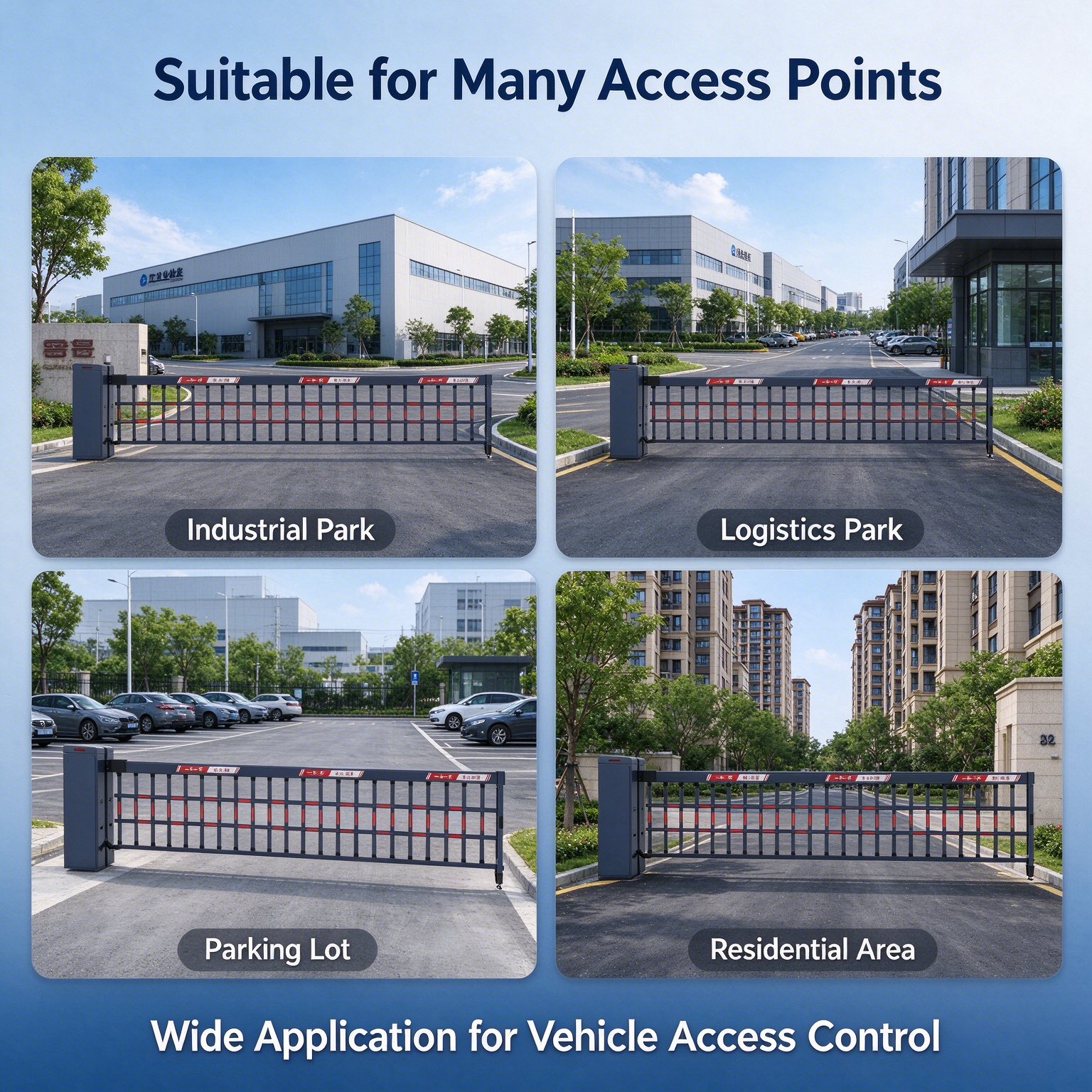
- Warehouses and logistics facilities: For fleet vehicles, delivery trucks, and controlled loading areas, if the tag and reader design suit the vehicles in use.
- Industrial and institutional sites: For vehicles that must go through a clear authorization process. A separate emergency access procedure should be in place.
RFID vs. LPR/ANPR: which is more suitable?
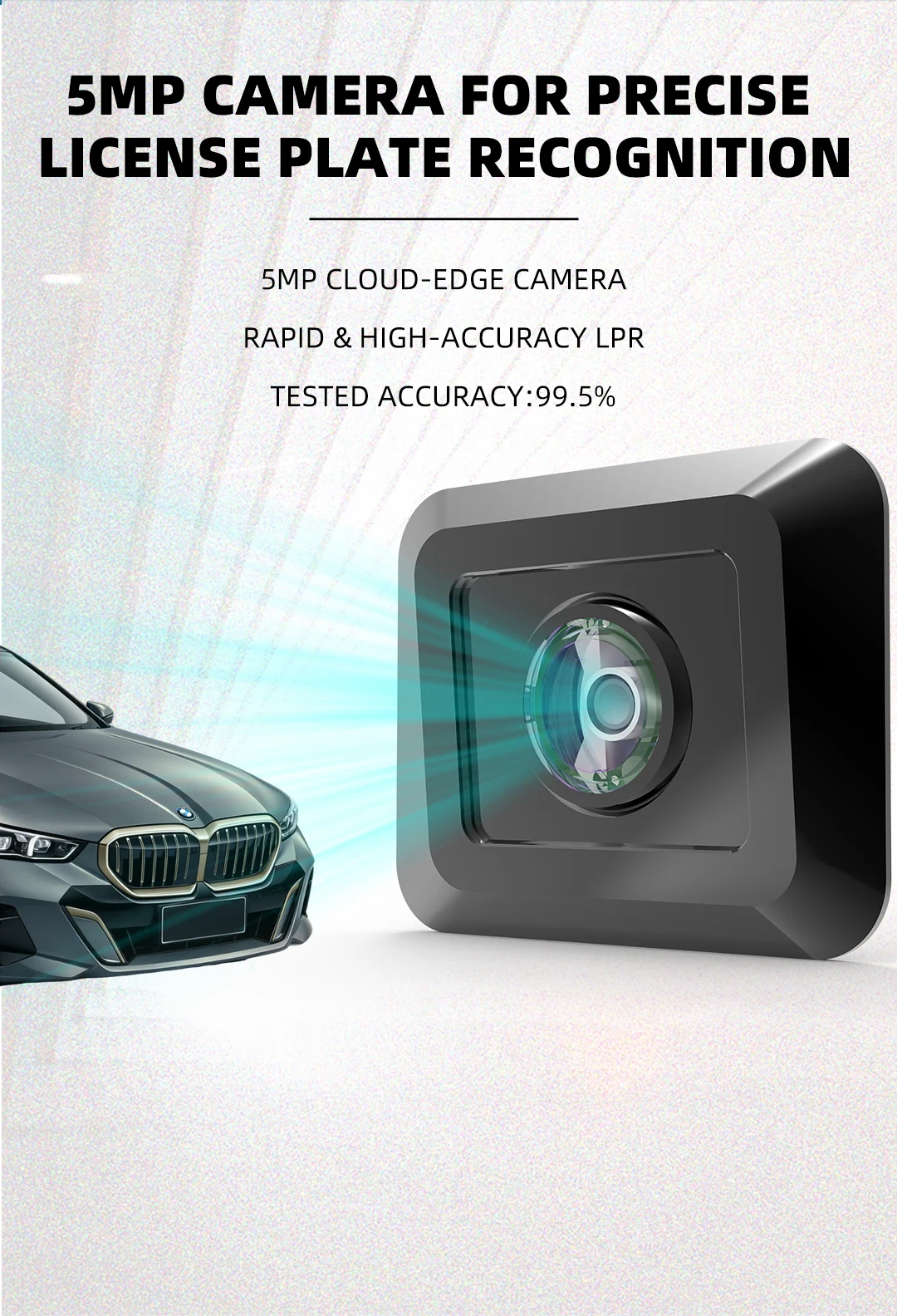
No single technology is best for every entrance. Choose RFID if issuing and managing tags is practical; consider LPR/ANPR if plate-based identification fits better; and evaluate a hybrid approach if alternative verification is needed.
How do you choose an RFID parking barrier?
Determine traffic volume and speed
List normal and peak-hour vehicles per hour, lane width, vehicle types, and the expected operating cycle. Match the barrier duty rating and opening speed to the real requirement, and ask for a datasheet for the exact model.
Choose the right RFID reader and tag
Confirm whether a proximity card, short-range RFID, or long-range UHF is needed. Check frequency compatibility, tag type, reading distance at the actual mounting position, and possible interference from metal structures or nearby readers.
Check the controller and software integration
Before buying, confirm the supported interfaces, credential capacity, user management, event logging, network requirements, and how credentials are added or disabled. Do not assume that every reader is compatible with every barrier controller.
Do not set aside safety devices
Confirm the compatible loop detector, photocell, radar, warning light, anti-collision logic, and manual release procedure. RFID authorization is not a substitute for vehicle-presence detection and other safety controls. Test the full opening, passage, and closing sequence before use.
Consider the outdoor environment and maintenance
For an outdoor gate in the Philippines, check the enclosure rating of the selected model, protection against rain and dust, cable routing, drainage, and corrosion protection. Set an inspection schedule for arm balance, mounting bolts, reader alignment, electrical connections, and emergency release.
Plan the lost-card and visitor process
Set a clear process for lost tags, expired credentials, temporary visitors, contractor access, and emergency vehicles. Authorized staff should be able to update permissions and review logs in line with the property policy.
Why consider a Baroxon RFID parking barrier?
The official Baroxon Philippine site presents the Automatic RFID Boom Barrier, the Adjustable Speed 24V Boom Parking Gate with UHF System, and the Straight Arm LPR & RFID Automatic Identification Barrier Gate. The site describes access options such as RFID card or tag and UHF reading, and integration with boom barrier and parking management solutions. Exact compatibility, reader range, motor rating, opening speed, and safety functions should be confirmed in the datasheet and quotation for the selected configuration.
For a project assessment, prepare the lane dimensions, traffic volume, type of RFID credential, expected reading distance, software requirements, safety devices, and installation environment. These details help in obtaining a more suitable technical recommendation.
Frequently asked questions (FAQ)
Does every vehicle need an RFID tag?
If RFID is the main method of authorization, each authorized vehicle or user generally needs a compatible credential. The property may set a different process for visitors and emergency access.
Are an RFID card and a UHF tag the same?
No. A card and a UHF tag may use different frequencies, readers, and reading distances. Compatibility across the whole system should be confirmed before buying.
Can RFID be connected to an LPR camera?
It can be done if the controller, software, and communication interfaces support the integration. The two technologies may be used as separate access methods or as part of layered verification, depending on the system design.
Will the barrier open when the tag is read?
It should open only if the credential is valid and permitted by the configured access rules. The reader is only one part of the system; the controller logic and safety configuration must also be correct.
What should be done during a power outage?
Follow the manufacturer instructions for the selected model and learn the manual emergency release procedure before an outage occurs. Keep the lane safe and use trained personnel; do not force the boom arm.
Conclusion
An RFID parking barrier can be an important part of vehicle access management in residential, commercial, and industrial properties in the Philippines. It combines a physical barrier with credential-based authorization to support smoother vehicle entry and exit. To keep the setup reliable, choose the right reader and tag, confirm controller compatibility, include safety devices, and implement clear credential and maintenance procedures.
Call to action: For an RFID parking barrier project, prepare the site layout, peak-hour traffic estimate, RFID credential type, and integration requirements before requesting a technical consultation or quotation from Baroxon.
Latest News
Baroxon® | Leading Boom Barrier Manufacturer
Advanced Security Access Control and Intelligent Parking Solutions.
Company Strength
Adequate Inventory
Fast Shipping
Our Products
CONTACT US
Address: No. 2 Wanshou Road, International Innovation Industrial Park, Jinan, Shandong, China







© COPYRIGHT 2025 Baroxon® | Leading Boom Barrier Manufacturer

Contact Us
Our passion is to bring your ideas to life. Work with our design team to create a one-of-a-kind custom finish or cladding system to create a truly unique space. Together we can make your story stand out. If you need something to request a sample, request pricing, or request a demo, please fill out the contact form below. Explain your request in as much detail as you can and a representative will contact you within 1 business day.